

Vulval Varicosities
- Female Focus

- Oct 30, 2025
- 2 min read
Pregnancy brings about many changes to your body. One lesser-known but fairly common condition is vulval varicosities aka dilated veins in the labia majora and labia minora.
What Are Vulval Varicosities?
Vulval varicosities are similar to varicose veins in the legs, but they occur around the vulva. They are most commonly seen during pregnancy, with studies suggesting they affect 8–22% of pregnant women. They're more likely to develop during subsequent pregnancies and typically appear after 12 weeks gestation.
In most cases, they resolve spontaneously within 6 weeks postpartum.
Why Do Vulval Varicosities Happen During Pregnancy?

There are a few key reasons why vulval varicosities are more likely to develop during pregnancy:
Increased blood volume: a woman’s body will produce up to 30-50% more blood volume when pregnant.
Hormonal changes: Higher levels of oestrogen and progesterone relax your blood vessel walls, making them more prone to dilation.
Pressure from the growing uterus: As your baby and placenta grow, they place increased pressure on the pelvic veins, reducing blood return and leading to pooling in the vulval area.
Common symptoms you might experience:
Visible veins or swelling in the vulva (although not always present)
A sense of pressure, heavin ess, or discomfort in the vulval or perineal area
Symptoms that worsen after long periods of standing or being on your feet.
Management Strategies
Here are some practical strategies that can help relieve discomfort:
Compression Garments
Specialised pelvic support garments can help reduce pressure in the pelvic area and support vulval veins.
Example Brands: SRC, Everform
Horizontal Rest
Take 10–15 minute breaks lying down, several times throughout the day. This helps relieve pressure from gravity on your pelvic floor and vulval veins.
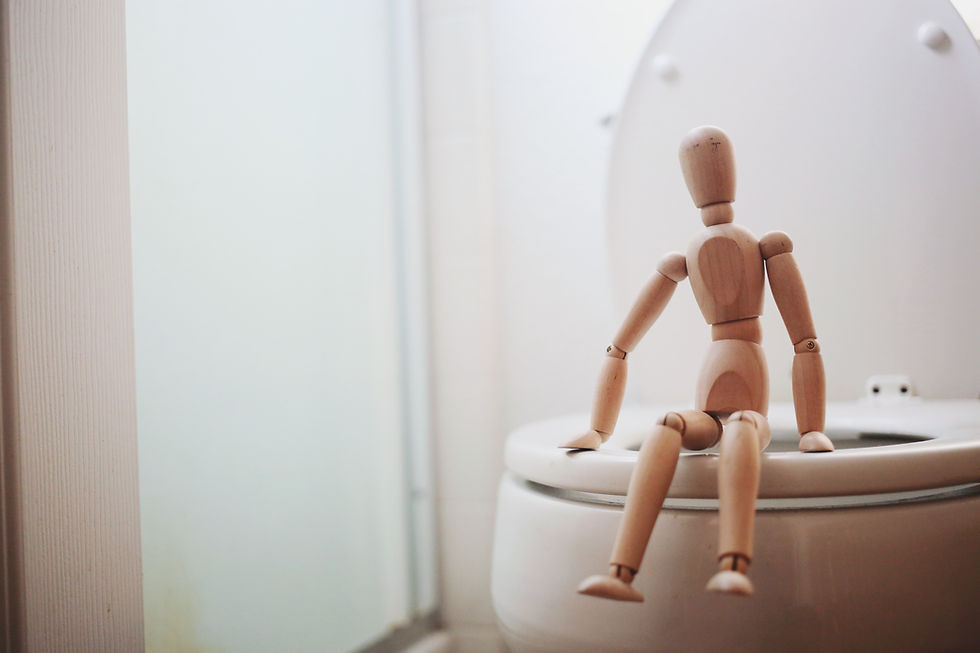
Manage Constipation:
Use a toilet stool to raise your knees above hip level
Increase fibre and fluid intake
Support the perineum gently during bowel movements
Seek individualised support from a women’s health physiotherapist if discomfort persists
Cold Therapy
Perineal ice packs can offer temporary relief by reducing swelling and discomfort. These are often reusable and can double up as part of your postpartum recovery toolkit.
Can I Still Have a Vaginal Birth?
Yes! Vulval varicosities do not prevent you from having a vaginal delivery. While they can feel uncomfortable during pregnancy, they typically do not interfere with labour or birth outcomes.
By Corinne
Kwon S, Lee SS, Kim H. Vulvar Varicosities: A Comprehensive Review of Pathogenesis, Diagnosis, and Treatment. Ann Phlebology 2025;23:12-18. https://doi.org/10.37923/phle.2025.23.1.12
Gavrilov SG. Vulvar varicosities: diagnosis, treatment, and prevention. Int J Womens Health. 2017 Jun 28;9:463-475. doi: 10.2147/IJWH.S126165. PMID: 28721102; PMCID: PMC5500487.


Comments